
Protein is a crucial part of a balanced diet, supporting muscle growth, metabolism, immune function, and hormone production. But with the growing popularity of high-protein diets, many wonder—can you overdo it? The short answer is yes. While getting enough protein is essential, consuming too much can have unintended health consequences.
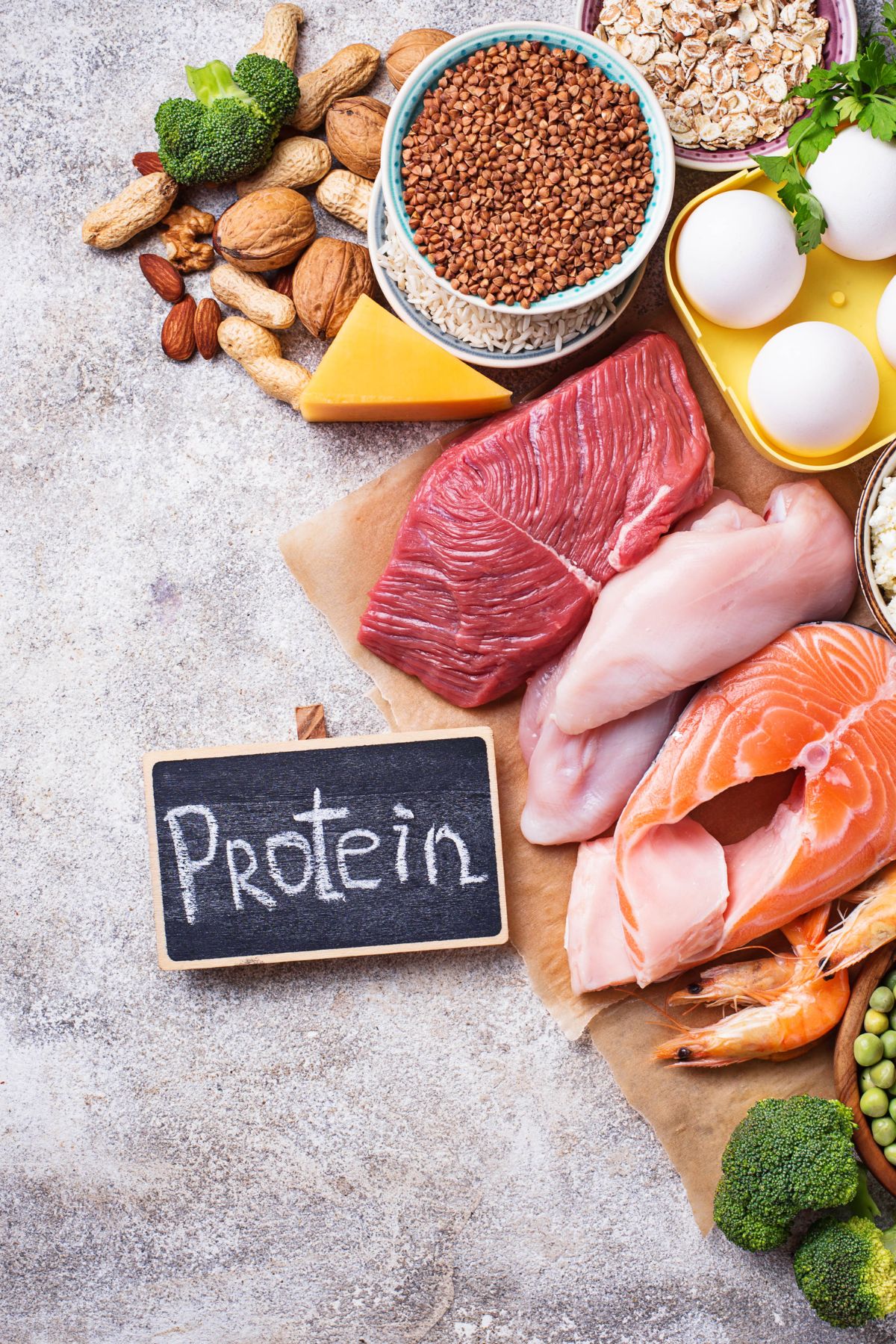
Your body requires protein to function, but it doesn’t have an unlimited capacity to use it. Once you’ve met your needs, excess protein doesn’t translate to extra muscle or better health. Instead, the surplus is either broken down for energy, stored as fat, or excreted. Research from the National Academy of Medicine suggests that most adults need about 10-35% of their daily calories from protein, depending on factors like age, activity level, and health goals.
Protein is found in both plant-based and animal-based foods, making it easy to meet daily needs. However, consuming excessive amounts—especially from sources high in saturated fat, such as red and processed meats—may increase the risk of kidney strain, digestive issues, and even heart disease, according to studies published in the Journal of the American Heart Association.
So, how much protein is too much? Let’s break it down and explore how to strike the right balance for your health.
How Much Protein Do You Really Need?
Table of Contents
Protein is essential for building and repairing tissues, producing enzymes and hormones, and supporting immune function. But how much is enough? The answer varies depending on factors such as age, activity level, and overall health.
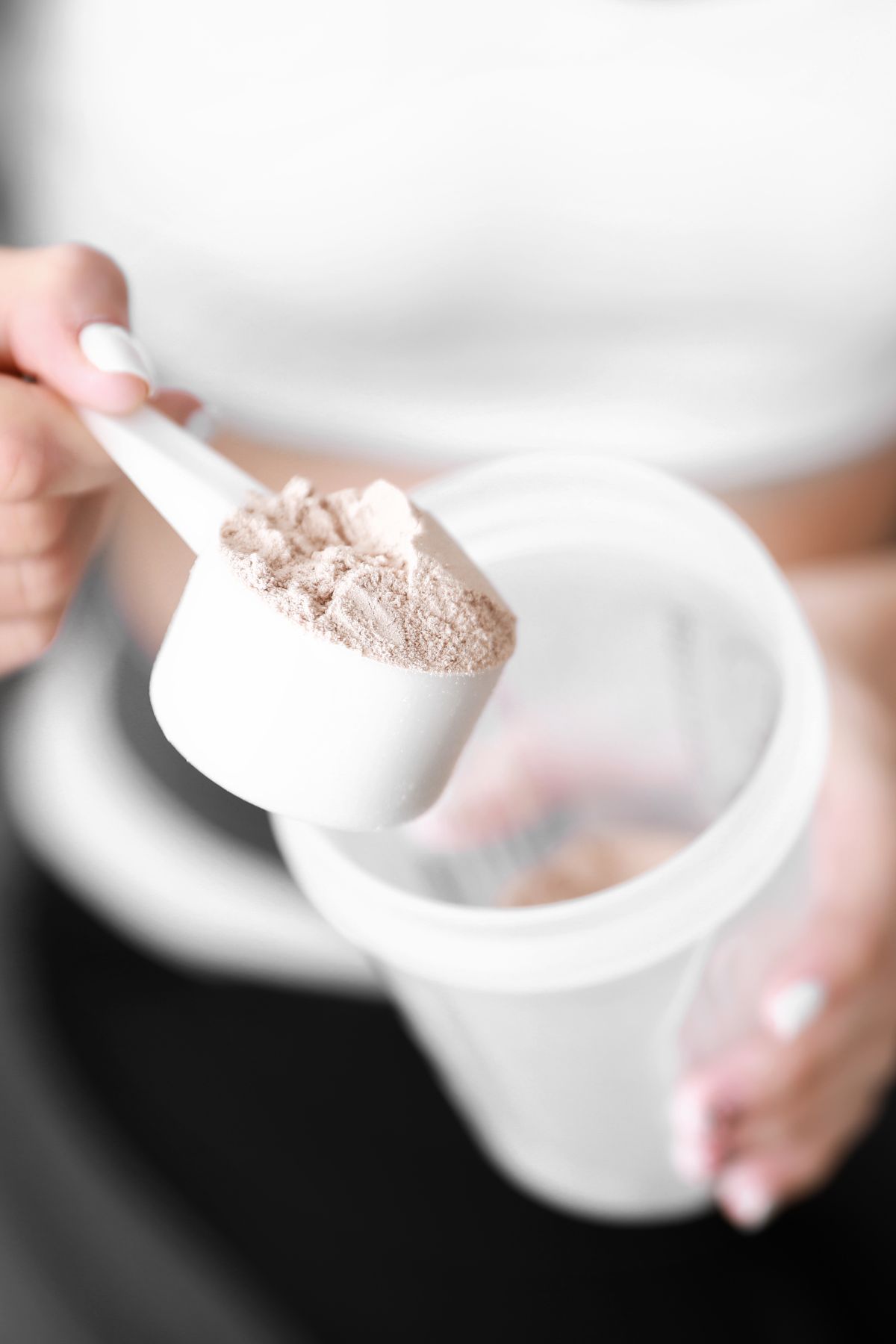
The Dietary Reference Intake (DRI) established by the National Academy of Medicine suggests that adults should consume at least 0.8 grams of protein per kilogram of body weight (or 0.36 grams per pound). For a 180-pound person, that’s about 63 grams of protein per day. However, this recommendation represents the minimum required to prevent deficiency, not necessarily the optimal amount for health and longevity.
Recent research suggests that higher protein intakes may be beneficial, especially for certain groups. According to a review published in the Journal of the International Society of Sports Nutrition, active individuals, older adults, and those recovering from illness or injury may benefit from consuming 1.2 to 1.6 grams per kilogram of body weight daily. This higher intake has been linked to better muscle maintenance, improved metabolism, and greater overall health outcomes.
Protein needs vary from person to person, Find out your daily protein intake at betterinhealth.com.
Timing Matters: When Should You Eat Protein?
Beyond how much protein you eat, when you consume it also plays a role in muscle growth, metabolism, and overall health. Many people consume most of their protein at lunch and dinner, but research suggests that spreading protein intake evenly throughout the day may be more beneficial.
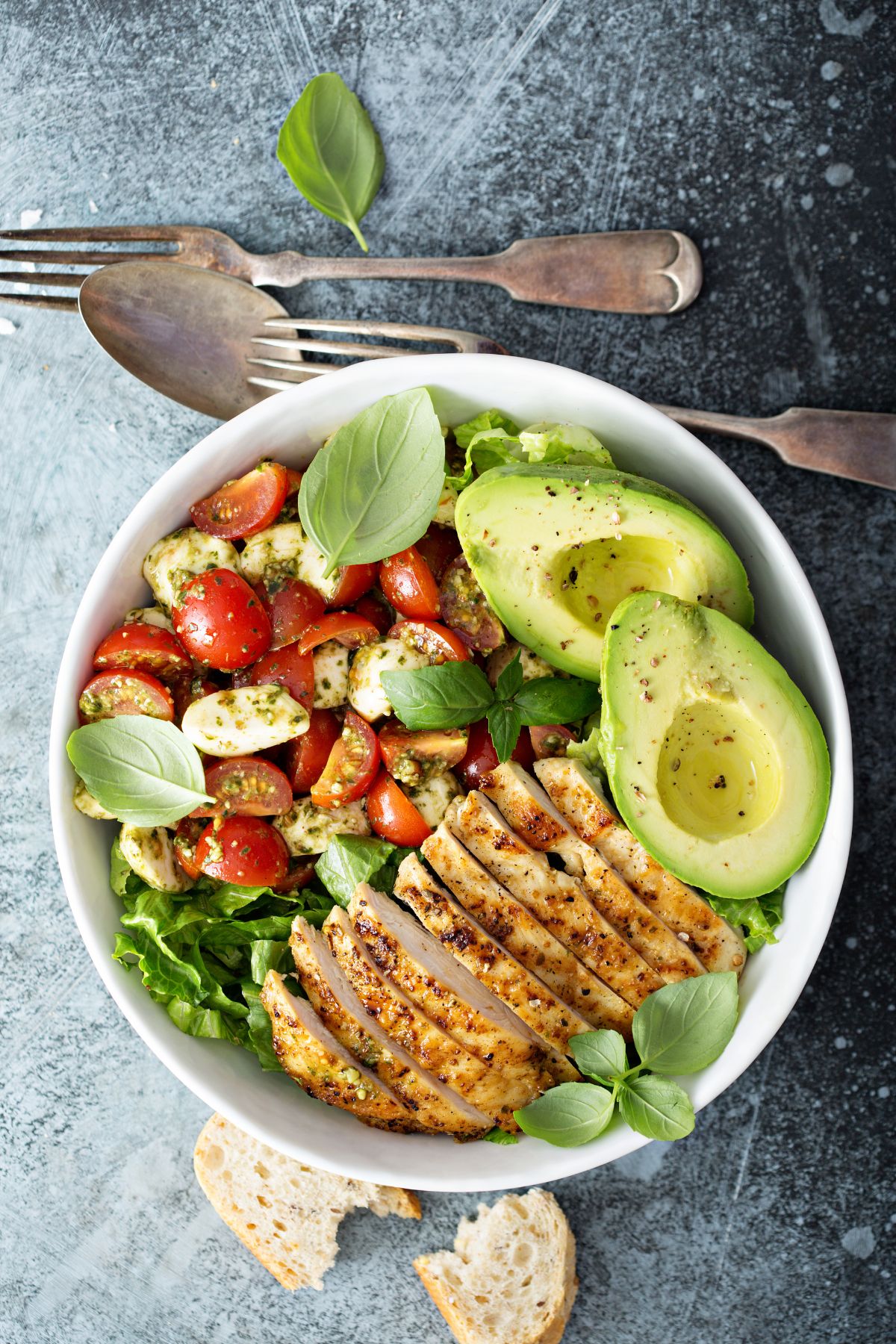
A study published in the Journal of Nutrition found that individuals who distributed their protein intake across breakfast, lunch, and dinner experienced 25% greater muscle protein synthesis compared to those who consumed most of their protein at dinner. This suggests that eating protein in balanced amounts throughout the day may help maintain muscle mass and support metabolic health.
For optimal protein absorption and muscle repair, aim to include 20-30 grams of protein per meal, with an additional intake from snacks if needed. Here’s a simple breakdown of what this might look like in a day:
- Breakfast: Greek yogurt with nuts and seeds (20g protein)
- Lunch: Grilled chicken salad with beans (30g protein)
- Snack: Cottage cheese with fruit (15g protein)
- Dinner: Salmon with quinoa and vegetables (35g protein)
By spreading protein intake more evenly, you can support muscle maintenance, enhance recovery, and maintain steady energy levels throughout the day.
How Much Protein Is Too Much? Finding the Upper Limit
While protein is essential for health, consuming too much can lead to unintended consequences. But how much is considered excessive?
Experts generally recommend keeping protein intake below 2 grams per kilogram of body weight per day (or 0.9 grams per pound), as consuming more than this amount consistently may lead to potential health risks. For example, a 150-pound (68 kg) individual should not exceed 136 grams of protein daily.
Research published in the Clinical Nutrition Journal suggests that while higher protein intake is not inherently harmful for healthy individuals, excessive amounts—particularly from high-fat animal sources—may contribute to digestive discomfort, kidney strain, and an increased risk of heart disease. Another study in the Journal of the American Society of Nephrology highlights that excessive protein intake can accelerate kidney function decline in those with pre-existing kidney conditions.
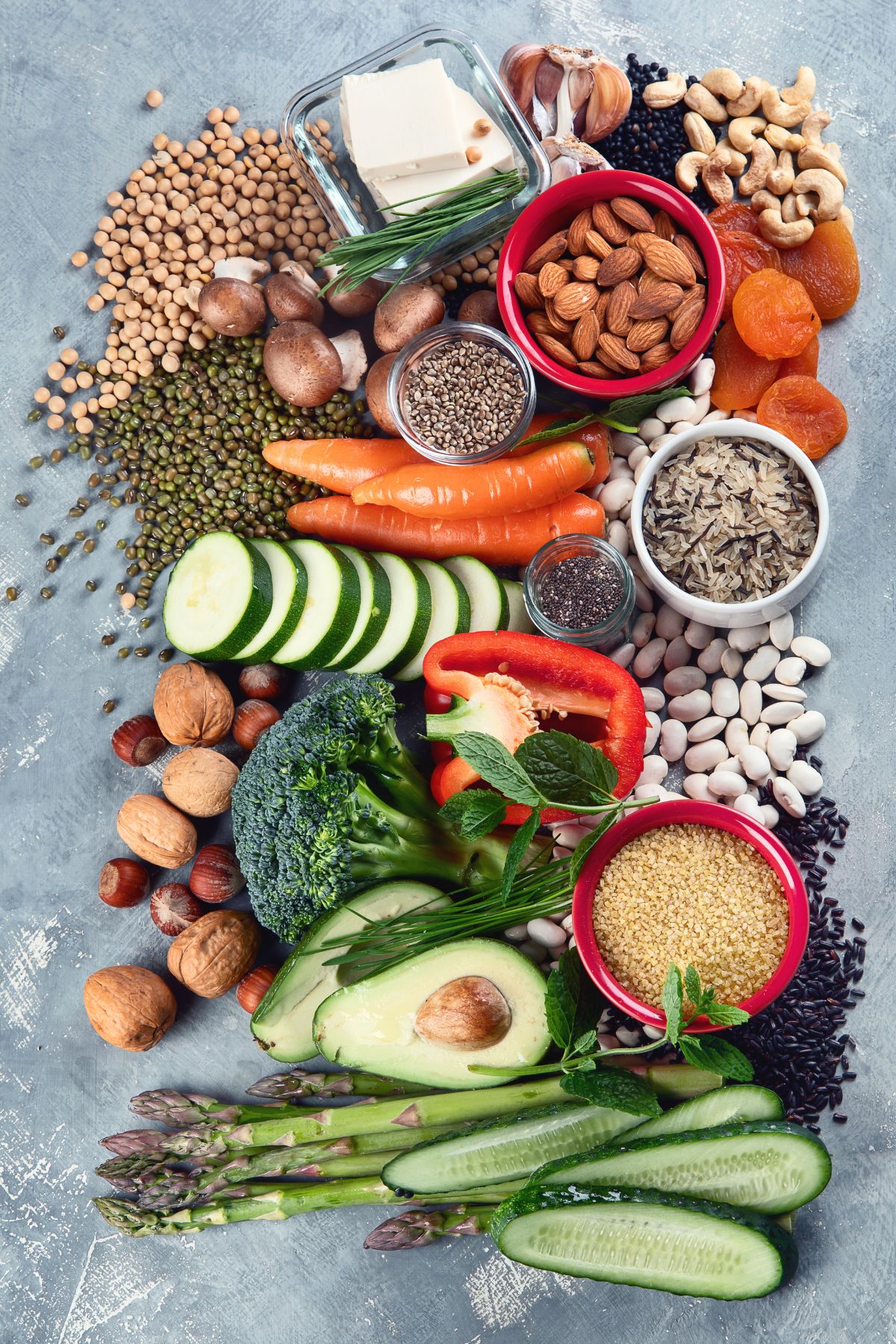
However, if your protein comes from a mix of lean meats, fish, dairy, legumes, and plant-based sources, the risk is significantly lower. The key is balance—getting enough protein to support your goals while avoiding unnecessary excess.
Potential Risks of Eating Too Much Protein
While protein is an essential macronutrient, consistently consuming excessive amounts may lead to several health concerns. Here are some potential risks associated with overloading on protein:
Digestive Issues
High-protein diets, especially those rich in red meat and dairy, can lead to constipation or digestive discomfort due to a lack of fiber. A study in the European Journal of Clinical Nutrition suggests that low-fiber, high-protein diets can negatively impact gut microbiota, leading to bloating and irregular bowel movements. If protein is replacing fiber-rich foods in your diet, it may result in poor digestive health.

Kidney Strain
For healthy individuals, moderate to high protein intake is generally safe. However, for those with pre-existing kidney disease, excess protein can place additional stress on the kidneys. Research in the Journal of the American Society of Nephrology indicates that high protein consumption can accelerate kidney function decline in those with compromised kidney health.
Heart Health Concerns
Not all protein sources are created equal. Diets high in red and processed meats have been linked to an increased risk of heart disease, according to a 2022 study published in the Journal of the American Heart Association. Researchers found that gut microbes produce harmful byproducts when digesting red meat, which may raise the risk of cardiovascular disease.
Unintended Weight Gain
While protein helps with satiety and muscle growth, excess protein—like any macronutrient—can be stored as fat if it exceeds daily calorie needs. A study in Obesity Reviews found that consuming high amounts of protein without adjusting overall calorie intake can contribute to gradual weight gain over time.
Increased Cancer Risk
Some studies suggest that diets high in processed meats and excessive animal protein intake may increase cancer risk. The World Health Organization (WHO) classifies processed meats as carcinogenic, and research in Cell Metabolism has linked high animal protein intake in middle age to a higher risk of cancer-related mortality.
How to Maintain a Balanced Protein Intake
Getting enough protein is essential, but ensuring a balanced intake is just as important. Instead of focusing on sheer quantity, aim for a well-rounded approach that supports your body’s needs without overloading it.
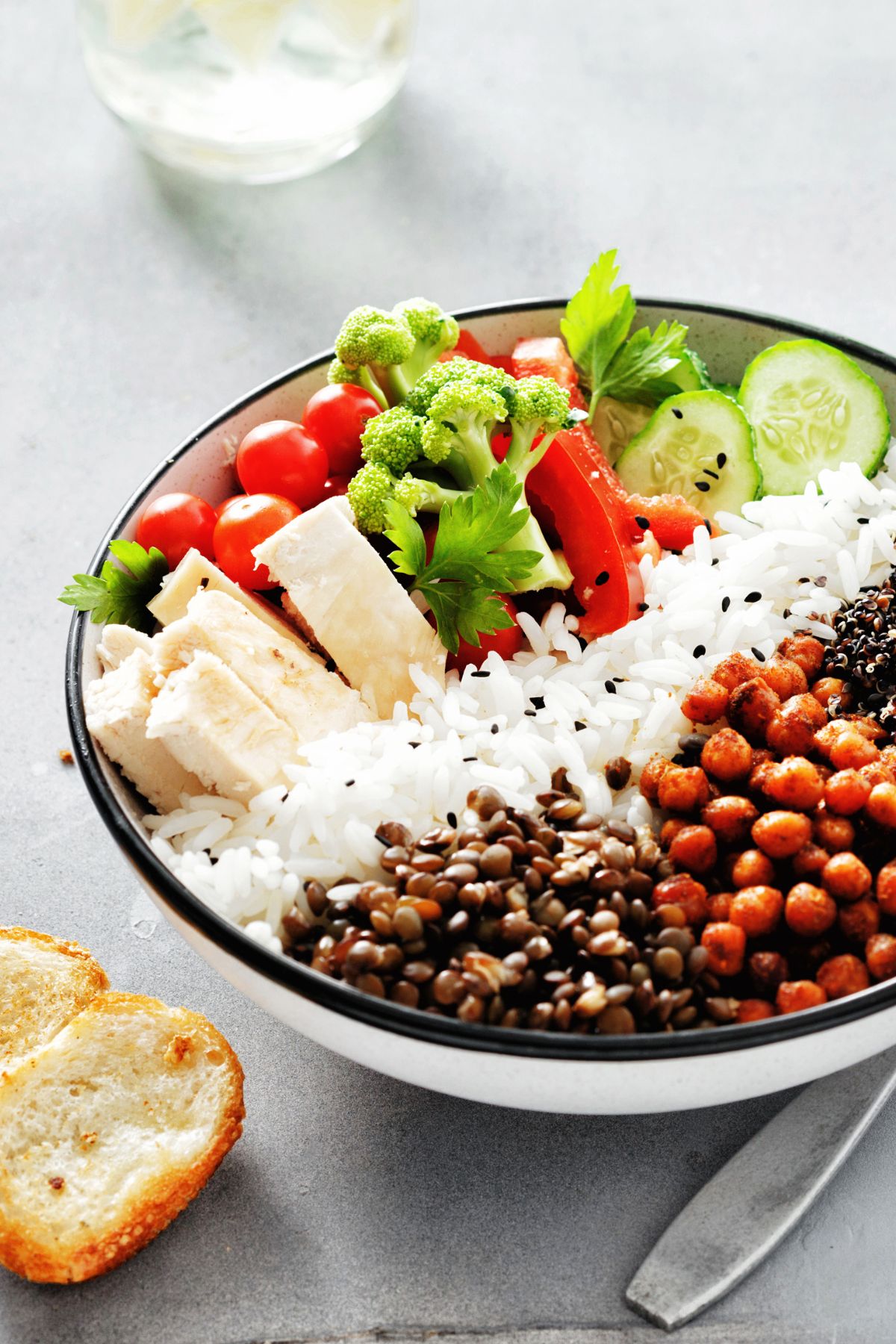
Here are some practical tips:
Prioritize High-Quality Protein Sources
Not all proteins are equal. Lean meats, fish, eggs, dairy, legumes, tofu, and nuts provide essential amino acids while minimizing unnecessary saturated fats. A study published in The American Journal of Clinical Nutrition suggests that choosing plant-based proteins or lean animal sources can lower the risk of chronic diseases compared to diets high in processed meats.
Distribute Protein Throughout the Day
Rather than consuming most of your protein at dinner, spread your intake evenly across meals. Research from the Journal of Nutrition found that even protein distribution led to better muscle protein synthesis than consuming most of it in one meal. Aim for 20-30 grams per meal, supplemented with protein-rich snacks as needed.
Pair Protein with Nutrient-Dense Foods
To support overall health, combine protein with fiber, healthy fats, and complex carbohydrates. For example:
- Pair chicken or tofu with quinoa and roasted vegetables
- Add nuts and seeds to Greek yogurt
- Include lentils in a veggie stir-fry
This approach enhances nutrient absorption, digestion, and sustained energy levels.
Listen to Your Body’s Needs
Your protein requirements depend on age, activity level, and health status. Athletes, older adults, and those recovering from illness may need higher protein intake than the general population. Consulting a registered dietitian can help tailor your protein intake to fit your specific goals.
Use Protein Supplements Wisely
While whole food sources should be the priority, protein powders or bars can be convenient options for busy days. Look for products low in added sugars and artificial ingredients, and use them to supplement, not replace, whole food meals.
By maintaining a balanced protein intake, you can support muscle health, metabolism, and overall well-being without the risks of excess consumption.
Key Takeaways: Striking the Right Balance with Protein
Protein is a vital nutrient that supports muscle growth, metabolism, immune function, and overall well-being. While getting enough protein is important, consuming excessive amounts can lead to digestive issues, kidney strain, heart health concerns, and unintended weight gain.
To optimize your protein intake while minimizing risks, keep these key points in mind:
✅ Find Your Ideal Protein Intake – The recommended dietary allowance (RDA) for protein is 0.8 grams per kilogram (0.36 grams per pound) of body weight, but active individuals, older adults, and those recovering from illness may benefit from higher intakes.
✅ Distribute Protein Throughout the Day – Aim for 20-30 grams per meal rather than consuming most of your protein at dinner. Research shows that evenly spaced protein intake supports better muscle synthesis and metabolic health.
✅ Choose High-Quality Protein Sources – Lean meats, fish, eggs, dairy, legumes, nuts, and plant-based proteins offer essential amino acids without the risks associated with processed meats.
✅ Pair Protein with Other Nutrients – A balanced diet that includes fiber, healthy fats, and complex carbohydrates ensures optimal digestion, energy balance, and long-term health benefits.
✅ Moderation is Key – While protein is essential, excessive intake (above 2 grams per kilogram of body weight per day) may cause digestive discomfort, kidney stress, and metabolic imbalances. Focus on meeting, rather than exceeding, your protein needs.
By following these principles, you can support muscle health, manage weight effectively, and maintain overall well-being without the risks of overconsumption.

- Can You Eat Too Much Protein? Here’s What Science Says - February 6, 2025
- 6 Tips to Manage Low Blood Sugar at Night - January 31, 2025
- Understanding Diabetes: What You Need to Know - January 29, 2025