
Being diagnosed with diabetes can feel overwhelming, but managing it effectively comes down to three key areas: diet, physical activity, and medication. These three pillars form the foundation of keeping your blood sugar levels stable, preventing complications, and improving overall health.
Focusing on these three areas can help you take charge of your diabetes with confidence. In this guide, we’ll break down how to optimize your diet, stay active, and manage medications effectively so you can live a healthy, balanced life.
Manage Diabetes With Ease! Sign up for betterinhealth.com
What is Diabetes?
Table of Contents
Diabetes is a chronic condition that affects how your body processes glucose (sugar) from the food you eat. Normally, the hormone insulin helps move glucose from your bloodstream into your cells for energy. However, in diabetes, this process is disrupted.
There are three main types of diabetes:
Type 1 Diabetes
- An autoimmune condition where the body mistakenly attacks insulin-producing cells in the pancreas.
- People with Type 1 diabetes need lifelong insulin therapy.
- Typically diagnosed in childhood or young adulthood, but can occur at any age.
Type 2 Diabetes
- The most common form of diabetes, often linked to lifestyle and genetics.
- The body becomes resistant to insulin, or the pancreas doesn’t produce enough.
- Managed through lifestyle changes, medication, and sometimes insulin.
Prediabetes
- Blood sugar levels are higher than normal but not high enough for a diabetes diagnosis.
- A warning sign that requires action to prevent Type 2 diabetes.
- Can often be reversed with diet, exercise, and weight management.
Why Blood Sugar Matters
Blood sugar (glucose) is the body’s primary source of energy, but too much or too little can cause serious health problems.
High Blood Sugar (Hyperglycemia) Risks
- Can damage blood vessels, nerves, and organs over time.
- Leads to complications like heart disease, kidney disease, and vision problems.
- Symptoms include increased thirst, frequent urination, fatigue, and blurry vision.
Low Blood Sugar (Hypoglycemia) Risks
- Can happen if you take too much medication or skip meals.
- Symptoms include dizziness, shaking, sweating, confusion, and even loss of consciousness.
- Requires immediate treatment with a fast-acting source of sugar, like juice or glucose tablets.
Regular blood sugar monitoring helps you stay within a healthy range and avoid complications.
The Importance of Early Management
Taking control of diabetes from the start helps prevent long-term complications. Here’s why early intervention matters:
- Prevents Damage to the Heart, Kidneys, and Eyes – Consistently high blood sugar can lead to serious complications over time.
- Reduces the Risk of Nerve Damage – Uncontrolled diabetes can cause numbness and pain in the hands and feet (neuropathy).
- Makes Management Easier in the Long Run – The sooner you build healthy habits, the better you can control your blood sugar.
- Increases Energy and Well-Being – Stable blood sugar means fewer crashes, more energy, and an improved mood.
Understanding diabetes is the first step in managing it. While it may seem daunting at first, learning how to control blood sugar levels can help you live a healthy, active life.
First Steps After a Diabetes Diagnosis
Being diagnosed with diabetes can bring a mix of emotions—shock, fear, and confusion. But with the right information and support, you can take control of your health and manage your blood sugar effectively. Here are the essential first steps to take after your diagnosis.

Meet Your Healthcare Team
Managing diabetes isn’t something you have to do alone. Your healthcare team will guide you in making the best choices for your health.
- Find a primary care provider to oversees your overall health and coordinates care.
- Look for an endocrinologist, who specializes in diabetes management.
- Track your daily nutrition and lifestyle strategies with Better.
- An ophthalmologist who can check for early signs of diabetic eye disease.
- A podiatrist: Helps prevent foot complications, especially if you have numbness or circulation issues.
Understand Your Lab Tests
Your doctor will monitor your blood sugar and other health markers to help manage your condition. Here are key lab tests to know:
- A1c Test: Measures your average blood sugar over 2-3 months. Goal: Usually below 7% (ask your doctor about your target).
- Fasting Blood Sugar: Measures glucose levels after not eating for at least 8 hours. Goal: Typically 80-130 mg/dL.
- Post-Meal Blood Sugar: Taken 1-2 hours after eating. Goal: Usually below 180 mg/dL.
- Cholesterol Panel: Important because diabetes increases heart disease risk.
- Kidney Function Tests: Checks for early signs of kidney disease.
Start Monitoring Your Blood Sugar
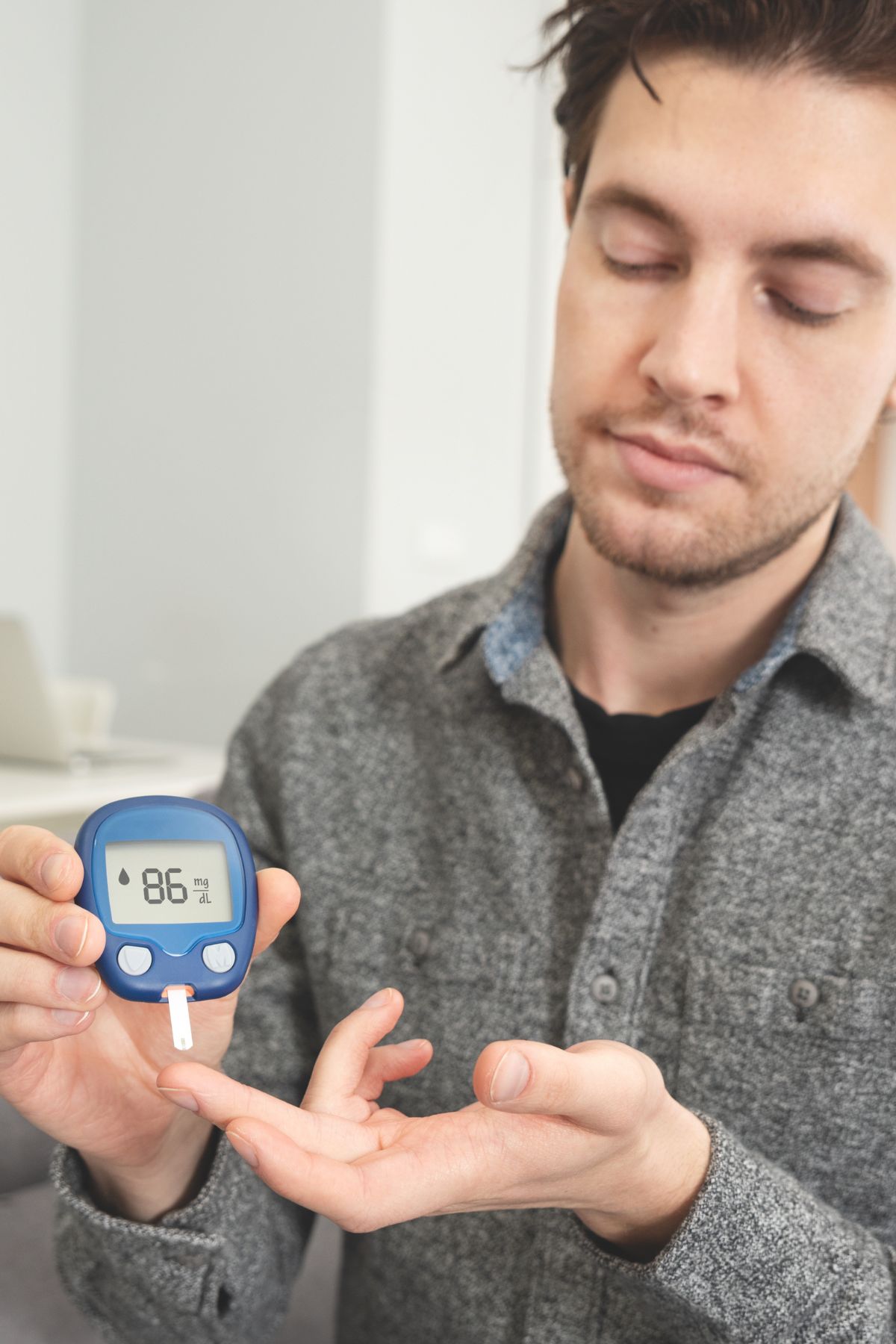
Keeping track of your blood sugar helps you understand how food, exercise, and medications affect you.
How to Check Blood Sugar
- Use a glucometer (blood sugar monitor) or a continuous glucose monitor (CGM) if prescribed.
- Follow your doctor’s recommendations for testing frequency. Common times to check:
- Before meals
- 1-2 hours after meals
- Before bed
- When feeling unwell or experiencing symptoms of high/low blood sugar
Track Your Blood Sugar With Better
- Record your readings along with what you ate and any physical activity in the Track section of betterinhealth.com.
- Look for patterns—are certain foods or activities causing spikes?
Learn the Basics of Managing Diabetes
There’s a lot to learn, but start with these core principles:
- Follow a Balanced Diet: Focus on whole foods, lean proteins, healthy fats, and fiber-rich carbohydrates.
- Stay Active: Aim for at least 150 minutes per week of moderate exercise (like walking).
- Take Medications as Prescribed: Learn how and when to take them to keep blood sugar stable.
- Manage Stress: Stress raises blood sugar—try relaxation techniques like deep breathing or meditation.
- Get Enough Sleep: Poor sleep can make blood sugar harder to control.
Taking the first steps after a diabetes diagnosis can feel overwhelming, but small, consistent changes lead to long-term success. Focus on learning, tracking, and building healthy habits, and remember—you’re not alone in this journey!
Nutrition for Diabetes Management
One of the most important parts of managing diabetes is making smart food choices. The goal isn’t to follow a strict diet but to create balanced, sustainable eating habits that help keep blood sugar levels stable. In this section, we’ll cover the basics of a diabetes-friendly diet, how to manage carbohydrates, meal planning tips, and how to read food labels.

The Basics of a Diabetes-Friendly Diet
Eating for diabetes doesn’t mean giving up your favorite foods. It’s about balance, portion control, and choosing nutrient-dense foods.
Key Principles
- Focus on Whole Foods: Choose fresh vegetables, fruits, lean proteins, whole grains, and healthy fats.
- Limit Processed Foods: Packaged snacks, sugary cereals, and fast food often contain added sugars and unhealthy fats.
- Watch Portion Sizes: Even healthy foods can raise blood sugar if eaten in large amounts.
- Eat Consistently: Avoid skipping meals to prevent blood sugar spikes and crashes.
Carbohydrates: What You Need to Know
Carbs have the biggest impact on blood sugar, so understanding them is key.
Types of Carbohydrates
- Simple Carbs: Found in sweets, sodas, white bread, and processed foods. They cause quick blood sugar spikes.
- Complex Carbs: Found in whole grains, legumes, and vegetables. They provide fiber and help regulate blood sugar.
How Many Carbs Should You Eat?
- Your ideal carbohydrate intake depends on your personal health goals, activity level, and medication use.
- A general starting point is 45-60 grams of carbs per meal for most people with diabetes, but individual needs vary.
- Example:
- 1 slice of whole-wheat bread = 15g carbs
- ½ cup of cooked rice = 22g carbs
- 1 medium apple = 25g carbs
The Role of Fiber
- Fiber slows digestion and helps prevent blood sugar spikes.
- Aim for at least 25-30g of fiber daily.
- Good sources: Vegetables, beans, lentils, whole grains, nuts, and seeds.
Meal Planning Tips
Planning meals helps you make healthier choices and maintain balanced blood sugar levels. One way to ease your meal planning effots for managing diabetes is to create them in Better. You can create personalized meal plans with just one click and stop wasting hours deciding what to eat.
You can choose from over 6,000+ meals, snacks, and desserts, customize your plan by adding your favorites and removing what you don’t want, and instantly see the nutritional information for each recipe.
How to Read Food Labels
Understanding food labels helps you make informed choices. Here are the key things to look at:
- Serving Size: Always check the portion size—it may be smaller than you think.
- Total Carbohydrates: Includes sugars, fiber, and starch.
- Added Sugars: Keep these as low as possible. The American Heart Association recommends no more than 25g per day for women and 36g for men.
- Fiber: The more, the better! Aim for at least 28g per day.
- Ingredients List: If sugar (or words like “syrup” or “maltose”) is one of the first ingredients, it’s likely high in added sugar.
Managing diabetes through nutrition is about balance, not restriction. Focus on whole foods, control portions, and make gradual, sustainable changes. With time, these habits will become second nature.
Physical Activity and Its Role in Blood Sugar Control
Regular exercise is one of the most effective ways to improve insulin sensitivity, regulate blood sugar levels, and enhance overall health. The good news? You don’t need to become a fitness expert overnight—small, consistent changes in your daily movement can make a significant impact.

Why Exercise is Important for Diabetes
Exercise benefits people with diabetes in several ways:
- Improves Insulin Sensitivity – Your body uses insulin more efficiently, which helps lower blood sugar levels.
- Lowers Blood Sugar Levels – Physical activity helps muscles absorb glucose, reducing the need for insulin.
- Aids in Weight Management – Helps burn calories and maintain a healthy weight.
- Reduces the Risk of Heart Disease – Lowers blood pressure, cholesterol, and inflammation.
- Boosts Mood and Reduces Stress – Physical activity can help lower cortisol (stress hormone), which can contribute to better blood sugar control.
Types of Exercise for Diabetes
A combination of aerobic, strength training, and flexibility exercises works best for diabetes management.
Aerobic Exercise (Cardio) – Lowers Blood Sugar Immediately
- Examples: Walking, jogging, cycling, swimming, dancing, hiking.
- Goal: Aim for at least 150 minutes per week (about 30 minutes, 5 days a week).
- Benefit: Helps lower blood sugar levels immediately after activity.
Strength Training – Improves Insulin Sensitivity
- Examples: Bodyweight exercises (push-ups, squats), resistance bands, dumbbells, weightlifting.
- Goal: At least 2-3 days per week of muscle-strengthening activities.
- Benefit: Builds muscle, which absorbs glucose more efficiently than fat.
Flexibility and Balance – Prevents Injuries
- Examples: Yoga, stretching, tai chi.
- Goal: Daily stretching or at least 3 times per week.
- Benefit: Helps improve mobility and reduce the risk of falls, especially for older adults.
Exercise is a powerful tool for diabetes management. By incorporating aerobic, strength, and flexibility exercises into your routine, you can lower blood sugar, improve insulin sensitivity, and enhance overall well-being. The key is to start small, stay consistent, and find activities you enjoy.
Medications for Diabetes Management
For many people with diabetes, lifestyle changes alone may not be enough to keep blood sugar levels in a healthy range. Medications, including insulin, play a crucial role in managing diabetes and preventing complications. In this section, we’ll cover the different types of diabetes medications, how insulin works, and key considerations for managing medication safely.

Understanding Diabetes Medications
Diabetes medications help regulate blood sugar levels in different ways. Your doctor will prescribe a treatment plan based on your blood sugar levels, lifestyle, and overall health.
Oral Medications (Pills) for Type 2 Diabetes
Most people with Type 2 diabetes start with oral medications before insulin is needed. Here are the most common types:
- Metformin (Glucophage) – First-line medication that lowers glucose production in the liver and improves insulin sensitivity.
- Sulfonylureas (Glipizide, Glyburide, Glimepiride) – Stimulate the pancreas to release more insulin.
- DPP-4 Inhibitors (Januvia, Onglyza, Tradjenta) – Help the body release insulin when blood sugar is high.
- GLP-1 Receptor Agonists (Ozempic, Trulicity, Victoza) – Slow digestion, reduce appetite, and help lower blood sugar.
- SGLT2 Inhibitors (Jardiance, Farxiga, Invokana) – Help the kidneys remove excess glucose through urine.
- Thiazolidinediones (Actos, Avandia) – Improve insulin sensitivity but are less commonly used due to side effects.
Injectable Non-Insulin Medications
- GLP-1 Receptor Agonists (mentioned above) – Can be taken by injection once a day or once a week.
- Amylin Analog (Symlin) – Helps slow digestion and reduce post-meal blood sugar spikes.
Diabetes medications and insulin help regulate blood sugar and prevent complications. Understanding how they work and using them correctly can make diabetes management easier and more effective. Always communicate with your doctor about any concerns and stay consistent with your treatment plan.
Conclusion: Mastering the Three Pillars of Diabetes Management
Diabetes management doesn’t have to be complicated. By focusing on three key areas—diet, physical activity, and medication—you can take control of your health and prevent complications.

Here are the things you can do to get started:
- Eating Right for Blood Sugar Control – Choosing fiber-rich carbs, lean proteins, and healthy fats helps stabilize blood sugar and prevent spikes. Small adjustments, like portion control and mindful eating, make a lasting impact.
- Staying Active for Better Insulin Sensitivity – Regular exercise, even a 10-minute walk after meals, helps lower blood sugar, improves circulation, and supports heart health. Find activities you enjoy and make movement part of your routine.
- Taking Medications as Prescribed – Medications and insulin play a vital role in blood sugar control. Monitoring your levels, understanding how your medications work, and staying consistent with your treatment plan will help you maintain stability.
What’s Your Next Step?
✅ Start small – Choose one meal today that aligns with a diabetes-friendly diet.
✅ Move more – Take a short walk after your next meal.
✅ Stay on track with medications – Set a reminder to take your medication as prescribed.
Diabetes is a journey, but you are in control. With the right balance of nutrition, movement, and medication, you can live a healthy, active life while keeping blood sugar in check. Start today—your health is worth it!

- Can You Eat Too Much Protein? Here’s What Science Says - February 6, 2025
- 6 Tips to Manage Low Blood Sugar at Night - January 31, 2025
- Understanding Diabetes: What You Need to Know - January 29, 2025